
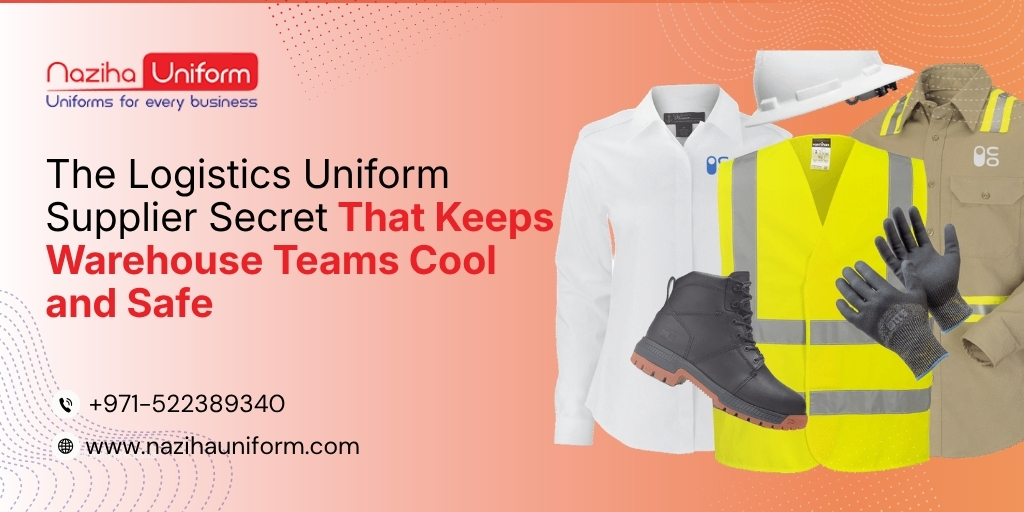
Warehouse teams, delivery drivers, and transport crews keep businesses moving every day. From loading shipments and managing inventory to driving across Dubai and coordinating deliveries, their work involves long hours, constant movement, and changing environments.
But there is one detail that businesses sometimes overlook: what their employees wear can affect comfort, visibility, and daily performance.
In the UAE, high temperatures make clothing choices especially important for employees who work outdoors or move between warehouses, loading bays, and vehicles. Poorly selected garments can become uncomfortable during long shifts, wear out quickly, or fail to provide the visibility required in busy operational areas.
This is why choosing an experienced logistics uniform supplier involves more than ordering matching shirts and trousers. The right supplier understands fabric selection, role-specific designs, durability, and workplace requirements.
What Logistics Companies Should Look For
Here is what logistics companies should look for when selecting clothing for their warehouse and transport teams.
1. The Right Fabric Makes a Difference in Dubai’s Heat
Warehouse employees and delivery drivers may spend much of their shifts moving equipment, loading goods, checking inventory, or travelling between locations. Heavy or poorly ventilated clothing can make these tasks less comfortable.
Choosing a suitable fabric is therefore one of the first steps towards creating practical workwear.
For logistics operations, useful fabric characteristics include:
- Breathability: Allows better airflow and can help employees feel more comfortable.
- Lightweight construction: Supports easier movement during active shifts.
- Moisture management: Certain performance fabrics help move perspiration away from the skin.
- Durability: Helps garments withstand frequent use and washing.
- Easy maintenance: Makes regular cleaning and replacement management simpler.
- Colour retention: Helps maintain a consistent appearance over time.
2. Lightweight Workwear Helps Support All-Day Comfort
Comfort matters when employees wear the same clothing throughout long shifts.
Drivers need garments that remain comfortable while sitting, entering and exiting vehicles, and handling deliveries. Warehouse workers need enough flexibility to bend, reach, lift, and move around storage areas.
Clothing that restricts movement can make ordinary tasks more difficult. When reviewing garment designs, consider:
- Comfortable cuts that allow natural movement
- Sleeves suitable for the working environment
- Waistbands that fit securely without restricting movement
- Fabrics appropriate for indoor and outdoor conditions
- Practical designs that do not create unnecessary bulk
- Sizes that accommodate different employees
3. High-Visibility Details Can Improve Workplace Visibility
Logistics facilities often involve moving vehicles, forklifts, loading equipment, and employees working around incoming and outgoing shipments. In these environments, visibility is an important safety consideration.
Depending on the site and the tasks involved, workers may require high-visibility garments with reflective elements. These can help make employees more noticeable in suitable lighting conditions.
Features to discuss with your supplier include:
- Reflective tape
- High-visibility colours
- Appropriate placement of reflective elements
- Garment compatibility with other protective equipment
- Options suited to indoor loading bays and outdoor operations
4. Warehouse Staff and Drivers Need Different Designs
A logistics company may have several teams working towards the same operational goals, but their daily responsibilities are not identical. Giving every employee the same garment may not be the most practical approach.
-
Warehouse and Dispatch Teams
Warehouse employees often need hard-wearing shirts, trousers, and workwear designed for frequent movement. Functional pockets, durable seams, and suitable fabric can support everyday tasks.
1. Delivery Drivers and Couriers
Drivers may benefit from breathable polo shirts, T-shirts, caps, or lightweight jackets suited to their routes and working conditions. Their clothing should remain comfortable while presenting a professional appearance at customer locations.
2. Fleet and Transport Teams
Employees who spend time outdoors may need garments designed for changing weather conditions, vehicle-related tasks, and the demands of their specific roles.
3. Supervisors and Managers
Distinctive colours, different cuts, or subtle design details can help identify team leaders without separating them visually from the wider workforce.
Naziha Uniform provides role-specific clothing for drivers, couriers, warehouse employees, dispatch teams, supervisors, and fleet personnel. Its logistics range includes shirts, polo shirts, trousers, jackets, caps, and high-visibility options.
5. Durable Construction Reduces Frequent Replacements
Logistics work can put considerable pressure on everyday clothing.
Garments may experience repeated washing, friction from equipment, regular movement, and long hours of wear. If the fabric or stitching is unsuitable, clothing can deteriorate faster than expected.
This can lead to more frequent purchasing and additional administrative work.
Before placing a bulk order, inspect the quality of the garments and ask about their construction.
Pay attention to:
- Seam strength
- Stitching consistency
- Pocket attachment
- Button and zipper quality
- Fabric weight
- Colourfastness
- Washing instructions
- Expected maintenance requirements
6. Professional Branding Keeps Your Fleet Recognizable
Delivery drivers and transport employees often represent a company outside its premises. They may interact with customers, visit business locations, or deliver goods to residential properties.
Their appearance can therefore influence how people recognize and perceive the business.
Custom branding can help maintain consistency across drivers, warehouse employees, and supervisors. Depending on the design, businesses can include:
- Company logos
- Brand colours
- Employee names
- Staff identification details
- Department-specific designs
- Approved branding on shirts, caps, and jackets
Embroidery and printing are common ways to add logos, but the best method depends on the fabric, design, and intended use. For example, a simple embroidered logo may suit a polo shirt, while a more detailed design may require a different printing technique.
Naziha Uniform offers logo embroidery and printing, along with customized colours and role-specific garment designs for logistics and transport businesses.
7. The Right Supplier Makes Bulk Orders Easier
Ordering clothing for a large workforce involves more than selecting a style.
You may need several sizes, different garment types, personalized details, and deliveries to multiple locations. Without a clear process, errors can occur during measurement, production, and distribution.
An experienced transport and logistics uniform supplier should be able to explain how it manages these requirements.
Before confirming an order, ask about:
- Available fabric options
- Minimum order quantities
- Sample approval
- Employee measurement
- Size management
- Branding specifications
- Production schedules
- Quality inspection
- Delivery arrangements
- Future replacement orders
These details become particularly important when a company operates across multiple warehouses, depots, or branches.
8. On-Site Measurements Can Reduce Sizing Problems
Sizing mistakes can create unnecessary delays and additional costs.
If garments do not fit properly, employees may need alterations or replacements. Managing these issues across a large team can also take time away from normal operations.
On-site measurement can help suppliers collect employee sizes more consistently, particularly when the workforce includes many people or several garment styles.
A good process should also account for:
- Different body shapes
- Separate garment size charts
- Accurate recording of measurements
- Fitting and approval
- Replacement procedures
- New employees joining later
- Repeat Orders Should Maintain Consistent Quality
Logistics businesses rarely remain the same size forever. Employee numbers change, new routes open, and additional locations may be introduced.
When new staff join, their clothing should match the existing team’s appearance as closely as possible.
A supplier that maintains accurate production records can make repeat orders easier to manage.
Ask whether it retains:
- Approved garment designs
- Fabric specifications
- Colour references
- Logo artwork
- Size information
- Pattern details
- Previous order quantities
10. Choosing a Logistics Uniform Supplier in the UAE
The right supplier should understand the practical needs of logistics operations and be able to explain why particular garments suit different roles.
Avoid choosing a provider based only on price or appearance. Consider its ability to manage quality, customization, measurements, delivery, and ongoing requirements.
Before making a decision, review:
- Experience with logistics and transport businesses
- Range of available garments
- Fabric selection
- Custom branding options
- High-visibility clothing
- Bulk production capacity
- Measurement services
- Quality-control procedures
- Delivery coverage
- Support for repeat orders
Keep Your Logistics Team Cool, Comfortable, and Ready for Work
The right workwear can make a difference to employee comfort, workplace visibility, and your company’s professional image. From breathable fabrics for Dubai’s heat to durable construction for demanding warehouse operations, every detail should match the needs of your team.
Choosing a reliable logistics uniform supplier helps you find practical clothing for drivers, warehouse staff, dispatch teams, and supervisors without compromising on quality or functionality. Looking for workwear tailored to your operations? Naziha Uniform offers customized clothing solutions for logistics and transport businesses across the UAE. Explore our logistics and transport workwear solutions to find suitable options for your team.
Frequently Asked Questions
-
What fabric is best for logistics workwear in the UAE?
The best fabric depends on the employee’s role and working environment. Breathable, lightweight, and durable materials are often useful for teams working in warm conditions, while warehouse garments may also need stronger construction for frequent movement and regular washing.
-
Should warehouse employees wear high-visibility clothing?
That depends on the workplace risk assessment and applicable safety requirements. Employees working around moving vehicles, loading equipment, or outdoor traffic areas may require suitable high-visibility garments.
-
Can drivers and warehouse staff have different clothing designs?
Yes. Businesses can choose role-specific garments while maintaining consistent company colours, logos, and branding across the workforce.
-
How can a logistics company reduce workwear replacement costs?
Choose suitable fabrics, inspect garment construction, follow care instructions, and compare suppliers using consistent specifications. Durable clothing that matches the working environment may reduce the need for frequent replacement.
-
Can a supplier handle clothing orders for several warehouses?
Some suppliers support multi-location orders by coordinating measurements, sizes, production, and delivery. Confirm the supplier’s capacity and delivery arrangements before placing a large order.
-
Can company logos be added to transport workwear?
Yes. Depending on the garment and design, logos can be added through embroidery or printing. Ask the supplier which method is most suitable for the selected fabric and branding requirements.